3D Crystal Pastel Flowers Digital Paper: A Guide to Flawless Creative Execution
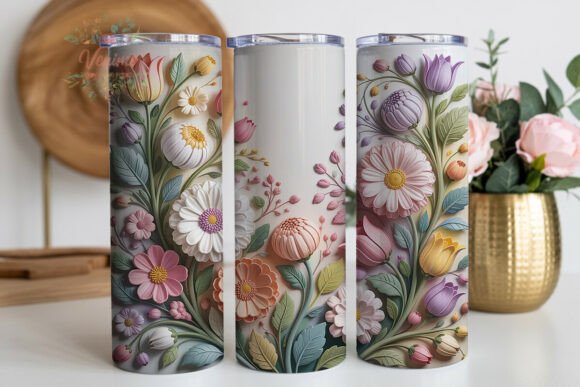
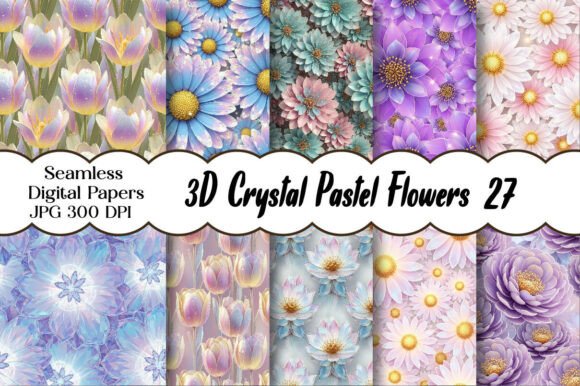
Immerse yourself in the delicate beauty of the Seamless 3D Crystal Pastel Flowers Digital Paper, a design that bursts with vibrant hues to evoke a profound sense of tranquility. Whether you are adorning cute tote bags, crafting notebook covers, or personalizing pillows, this lovely design commands attention without overwhelming the senses. However, possessing a beautiful digital asset is only half the battle; knowing how to apply it correctly determines the final quality of your project. Many creators overlook critical technical details that can turn a stunning high-resolution image into a blurry, pixelated disappointment.
Understanding the Versatility and Technical Requirements
The 3D Crystal Pastel Flowers Digital Paper is not merely a background image; it is a versatile tool designed for high-impact applications. Its high resolution, specifically formatted as 300 DPI JPG, enhances its utility across various mediums. This specification makes it ideal for sublimation, scrapbooking, or serving as an elegant embellishment on mini junk journals. The graphic’s creative possibilities are indeed endless, offering a unique aesthetic to party napkins, plates, and even candle or soap labels, breathing new life into everyday objects.
Yet, a common misunderstanding arises when users assume "high resolution" applies universally regardless of file format or usage context. While the 300 DPI standard is excellent for print, simply dragging and dropping these visuals into a web editor or a low-quality printing service can negate their value. These visuals can amplify your digital presence, establishing a distinctive look as website graphics or trendy social media backgrounds, but only if color profiles and compression settings are managed correctly. Tumbler and mug sublimations, playing cards, or creative fabric prints are just a selection of possible applications, yet each requires specific preparation to maintain the integrity of the crystal texture and pastel gradients.
Common Pitfalls in Selecting and Applying Digital Patterns
One of the most frequent mistakes I see beginners make is ignoring the difference between screen resolution and print resolution. When evaluating 3D Crystal Pastel Flowers Digital Paper, many creators focus solely on the visual appeal on their monitor. They fail to realize that what looks crisp on a Retina display might appear muddy when printed on a large format item like a wind spinner craft or a banner. If you intend to use these graphics for scrapbook decoupage or sentimental keepsakes, printing at less than 300 DPI will result in jagged edges and lost detail, ruining the "crystal" effect that defines the design.
Another overlooked detail is the handling of seamless patterns. A seamless pattern implies that the image tiles perfectly without visible seams. However, if you stretch the image to fit a non-standard canvas size—such as a uniquely shaped pillow or a custom-sized tumbler—the alignment can break, creating obvious repetition lines. This error affects presentation significantly, making professional-grade designs look amateurish. For instance, when applying this paper to fabric prints for clothing, stretching the file to cover a whole garment often distorts the flower shapes, destroying the intended aesthetic.
The Impact of Color Management and Sublimation Errors
Color accuracy is paramount when working with pastel hues. The soft, tranquil tones of the 3D Crystal Pastel Flowers rely on precise color balancing. A major pitfall occurs when creators skip the step of checking their printer's color profile or the sublimation machine's heat settings. Without proper calibration, those vibrant pastels can shift toward muddy grays or oversaturated neons, completely altering the mood of the design. This mistake directly impacts customer satisfaction for small business owners selling personalized items. If a bride orders a set of invitations featuring these flowers and receives them with washed-out colors, the perceived value of the product plummets.
Furthermore, the choice of substrate matters immensely. Using the wrong type of paper or fabric for sublimation can cause the ink to bleed, blurring the fine details of the crystal textures. It is crucial to test a small batch before committing to a full run. For example, when creating labels for candles or soaps, the curvature of the container can distort the image if the transfer paper isn't applied with the correct tension and heat distribution. Neglecting these physical variables leads to wasted materials and increased costs, which is a significant concern for freelancers and entrepreneurs operating on tight margins.
Strategic Approaches for Optimal Results
To avoid these issues, start by verifying the file specifications before downloading or purchasing. Ensure the 3D Crystal Pastel Flowers Digital Paper you acquire is explicitly marked as 300 DPI and suitable for your intended medium. If you are using it for digital purposes like social media backgrounds, remember that while 300 DPI is great, file size management is key to preventing slow load times. Resize images appropriately for web use without compromising the visual clarity of the floral elements.
When preparing for print, always perform a test print on the actual material you plan to use. Check the color balance under natural light, as indoor lighting can deceive the eye. For sublimation projects, calibrate your heat press according to the manufacturer's guidelines for the specific material—be it ceramic mugs, cotton blends, or polymer clay. This extra step ensures that the delicate pastel gradients remain true to the original design.
- Check Dimensions: Before scaling, measure your physical object and calculate the required pixel dimensions to maintain 300 DPI.
- Verify Seamlessness: Tile the image in your design software first to ensure no harsh lines appear when repeated.
- Test Colors: Print a small swatch to verify color accuracy before producing the full order.
- Match Substrate: Ensure your transfer paper and heat settings are compatible with the material (fabric, metal, wood).
Elevating Your Projects with Intentional Design
For the sentimental at heart, these graphics offer a lovely touch for transforming memories into tangible keepsakes. However, the emotional impact relies on execution. When used for journaling backgrounds or printable illustrations, the layout should complement the intricate details of the flowers rather than obscure them. Avoid placing heavy text over the most detailed parts of the crystal blooms; instead, use negative space within the design for your content. This approach maintains readability and highlights the artistic quality of the paper.
The graphic kit can add an impressive flair to any occasion, from bridal showers to baby showers, but consistency is key. If you are creating a suite of items—invitations, napkins, and favors—ensure the scale of the pattern remains consistent across all pieces. Inconsistent scaling can make a cohesive brand or event theme feel disjointed. By paying attention to these details, you ensure that the 3D Crystal Pastel Flowers Digital Paper serves its purpose effectively, enhancing your creative works with elegance and professionalism.
Ultimately, the success of your project depends on respecting the technical limitations and strengths of the digital assets you choose. By avoiding common errors in resolution, color management, and application techniques, you unlock the full potential of these visuals. Whether you are a hobbyist making gifts or a professional designer fulfilling client orders, a methodical approach guarantees that the tranquility and beauty of the design are preserved in every finished piece.