3D Shadow Box Fish Layered Paper Cut SVG: A Strategic Guide for Creators and Entrepreneurs
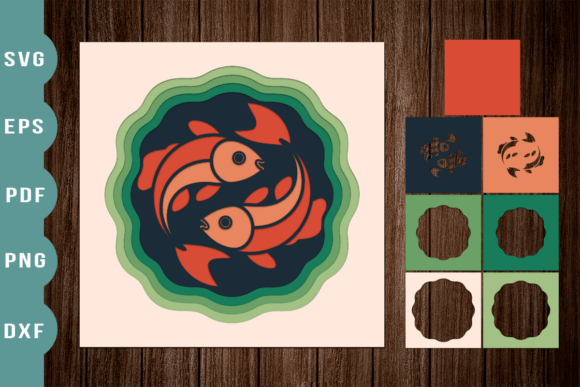
In the competitive landscape of digital crafting and personalized décor, the 3D Shadow Box Fish Layered Paper Cut SVG represents more than just a decorative motif; it is a versatile asset that bridges the gap between digital design and tangible value. For entrepreneurs, hobbyists, and small business owners, this specific design—featuring two beautifully layered fish surrounded by green and dark tones—offers a distinct opportunity to elevate product quality, streamline production workflows, and create high-impact visual statements. The strategic utility of this file lies not merely in its aesthetic appeal but in its adaptability across various mediums, from greeting cards to large-scale wall art, all while maintaining compatibility with industry-standard cutting machines like Cricut.
The Strategic Value of Layered Design Assets
When evaluating digital assets for your craft portfolio or business operations, the decision to integrate a 3D Shadow Box Fish Layered Paper Cut SVG should be driven by clear objectives regarding brand positioning and customer experience. Unlike flat, single-layer designs, this multi-dimensional approach allows for depth, texture, and visual complexity that commands higher perceived value. The interplay of vibrant colors against dark tones creates a sophisticated contrast that appeals to discerning buyers looking for unique home décor solutions.
For a maker transitioning from casual crafting to a structured business model, utilizing layered SVGs is a tactical move. It reduces the time spent on manual layering and alignment, allowing you to focus on material selection, finishing techniques, and marketing. The inclusion of multiple file formats—SVG, EPS, PNG, DXF, PDF, and AI—ensures operational flexibility. Whether you are scaling up production using laser cutters via the DXF format or preparing print-ready vectors for professional graphic designers using EPS and AI, having a comprehensive file suite minimizes technical friction and accelerates time-to-market.
Aligning Design Choices with Market Goals
To maximize the return on investment for any digital download, creators must align their use of the 3D Shadow Box Fish Layered Paper Cut SVG with specific market goals. This design is particularly effective for targeting niches that appreciate oceanic themes, coastal aesthetics, or modern botanical interpretations due to its green and dark tonal palette. By understanding your audience's preference for depth and lighting effects, you can position this design as a premium offering rather than a commodity item.
- Product Differentiation: In a saturated market of generic wall art, the 3D effect achieved through layering distinguishes your products. The ability to enhance the design with LED lighting transforms a static image into an interactive light feature, appealing to customers seeking ambiance and atmosphere.
- Brand Consistency: The elegant design serves as a cohesive element within a broader collection. If your brand focuses on nature-inspired or serene environments, this fish motif reinforces that identity without requiring extensive custom illustration work.
- Scalability: Because the design is vector-based, it scales infinitely without loss of resolution. This is critical for businesses that need to produce both small greeting cards and large shadow boxes from the same master file, ensuring consistency across different price points and product lines.
Operational Efficiency and Workflow Integration
Efficiency is a cornerstone of sustainable creative entrepreneurship. The 3D Shadow Box Fish Layered Paper Cut SVG is engineered to fit seamlessly into existing workflows, provided you have the appropriate hardware and software infrastructure. The SVG format is the gold standard for vinyl and paper cutting machines, ensuring precise cuts that are essential for the intricate details of layered fish scales and fins. Similarly, the DXF format opens the door to laser cutting, which is ideal for working with thicker materials like wood or acrylic, further expanding your material possibilities.
Consider the production timeline when integrating this asset. The high-resolution PNG (300 DPI) allows for immediate proofing or printing on substrates where cutting isn't feasible, such as fabric transfers or direct prints. Meanwhile, the fully editable AI file empowers advanced users to customize colors or adjust layer spacing to match specific branding guidelines. This versatility means you do not need to commission new artwork for every variation, significantly reducing overhead costs and speeding up the iteration process for seasonal collections or limited-edition drops.
Strategic Application in Home Décor and Gifting
The application of the 3D Shadow Box Fish Layered Paper Cut SVG extends beyond simple decoration; it is a tool for enhancing living spaces and personalizing gifting experiences. When used in home décor, the design adds a refreshing touch that can anchor a room's theme. The mix of green and dark tones provides a calming, organic feel that complements various interior styles, from mid-century modern to bohemian chic.
For the gifting sector, this design offers a unique selling proposition. Personalized gifts often struggle to balance uniqueness with broad appeal. The universal appreciation for marine life, combined with the tactile quality of a shadow box, makes this an excellent choice for housewarmings, anniversaries, or corporate gifts. By incorporating LED lighting, the gift becomes a functional piece of art that provides ambient illumination, adding a layer of utility that increases its perceived worth.
Risks of Indiscriminate Usage
While the 3D Shadow Box Fish Layered Paper Cut SVG is a powerful asset, relying on it without a clear strategic context carries risks. One common pitfall is "design fatigue," where a popular motif is overused across too many platforms or product types, diluting its impact and making the brand appear generic. Another risk involves material mismatch; attempting to use complex layered designs on unsuitable substrates can result in fragile structures that fail during assembly or shipping.
Furthermore, ignoring the technical specifications of the file formats can lead to wasted resources. For instance, using a rasterized version for a project requiring vector precision will result in jagged edges and poor quality. Creators must assess their capabilities and equipment before committing to a production run. Without a plan for how the layers will be assembled or how the lighting will be integrated, the final product may lack the polish required to compete in the premium segment of the market.
Decision-Making Framework for Implementation
To use the 3D Shadow Box Fish Layered Paper Cut SVG intentionally, adopt a structured decision-making framework. Begin by defining the end goal: Is this for a one-off custom order, a scalable product line, or a promotional giveaway? Your answer dictates the file format you prioritize and the materials you source.
- Assess the Target Audience: Determine if your customers prefer subtle elegance or bold, glowing statements. This will guide whether you emphasize the natural color palette or invest in LED components.
- Evaluate Technical Requirements: Ensure your cutting machine can handle the intricacy of the fish layers. Test the SVG on scrap material first to verify nesting and cut quality.
- Plan for Customization: Use the AI file to explore variations. Can you change the background tones to match a client's specific color scheme? Does the design allow for text integration?
- Calculate Cost and Time: Factor in the labor required for layering and assembling the shadow box. Ensure the pricing reflects the complexity of the design to maintain healthy profit margins.
Long-Term Value and Creative Growth
Integrating high-quality assets like the 3D Shadow Box Fish Layered Paper Cut SVG into your creative repertoire fosters long-term growth. It encourages experimentation with new techniques, such as mixed media or illuminated displays, which can expand your skill set and service offerings. Over time, mastering the use of these layered files builds a reputation for craftsmanship and attention to detail, key drivers of customer loyalty and word-of-mouth referrals.
Ultimately, the value of this design lies in its potential to transform raw materials into meaningful objects. By approaching it with a strategic mindset—considering the audience, the medium, and the execution—you ensure that every project contributes to a cohesive and profitable creative practice. Whether you are a freelancer building a portfolio or a small business owner scaling operations, thoughtful utilization of this resource can lead to superior outcomes and sustained success in the dynamic world of digital crafting.