Transforming Spaces with 3D Home Decor Laser Cut Designs
The landscape of interior design has shifted dramatically in recent years, moving away from mass-produced uniformity toward personalized, handcrafted aesthetics. At the heart of this movement lies a versatile technology that bridges the gap between digital creativity and physical reality: 3D Home Decor Laser Cut art. Whether you are a seasoned maker, a small business owner looking to expand your product line, or a homeowner seeking unique wall accents, understanding how to leverage these designs can transform your creative workflow and the atmosphere of your living spaces.
However, navigating the world of digital fabrication requires clarity on what you are purchasing and how it translates into a finished object. Unlike traditional retail where you buy a finished item off the shelf, the modern maker economy often revolves around digital files. When you purchase a 3D Home Decor Laser Cut design, you are acquiring the blueprint for creation, not the physical object itself. This distinction is crucial for managing expectations and ensuring a smooth project experience.
The Digital Blueprint: Understanding Your Purchase
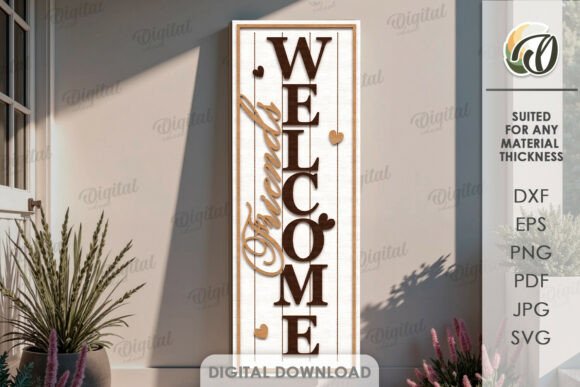
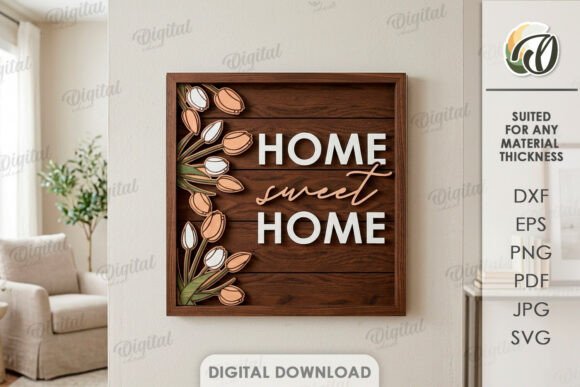
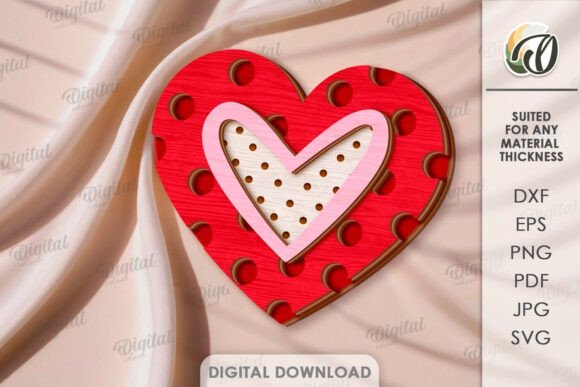
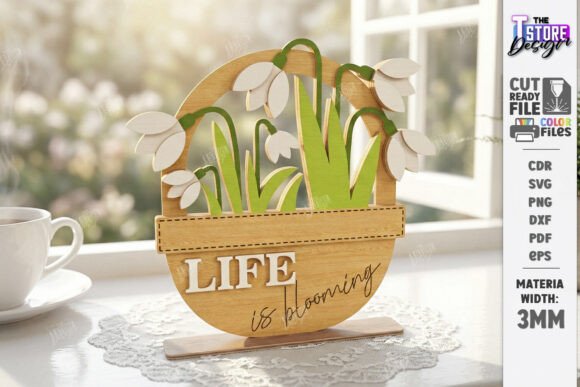
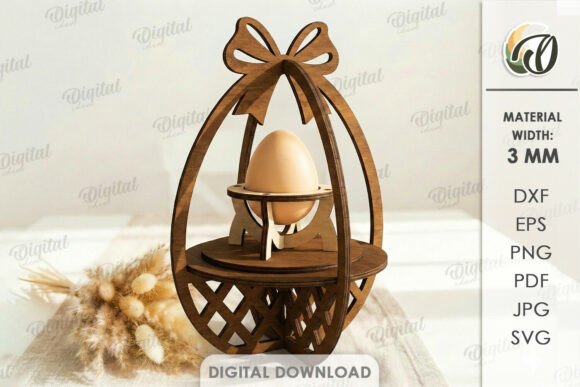
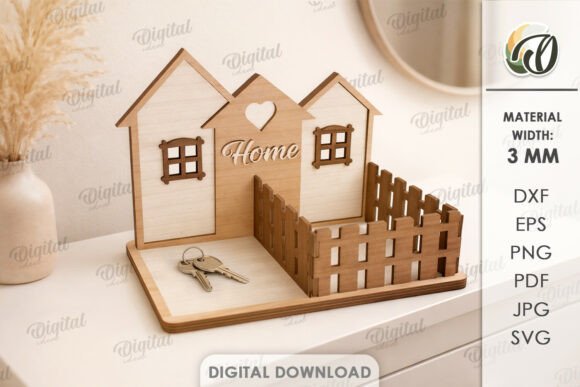
One of the most common points of confusion for new buyers in the laser cutting community is the nature of the delivery. It is essential to understand that when you buy a design file, no physical goods will be sent. The stunning images you see in product listings are intended only for inspiration. They serve as a visual guide to demonstrate the potential of the design once cut, assembled, and finished by you or your service provider.
Upon purchase, you receive a secure zip folder containing one high-quality design in multiple industry-standard formats. These typically include SVG, DXF, EPS, PDF, JPEG, and PNG files. Each format serves a specific purpose in the creation process:
- SVG and DXF: These are vector formats essential for laser cutting machines. They ensure that lines remain crisp and scalable, allowing your machine to follow precise paths without pixelation.
- EPS: Another robust vector format widely supported by professional design software like Adobe Illustrator, offering flexibility for further customization.
- PDF: Useful for viewing the layout on screen or printing instructions, though less ideal for direct machine control compared to SVG or DXF.
- JPEG and PNG: Raster images perfect for sharing on social media, creating mockups, or visualizing the final look before you begin cutting.
This multi-format approach empowers creators regardless of their software preference or machine type. Whether you are using a hobbyist desktop cutter or an industrial-grade CO2 laser, having access to these varied file types ensures compatibility and reduces technical friction.
Material Selection and Precision Engineering
A successful 3D Home Decor Laser Cut project hinges on more than just the digital file; it relies heavily on material selection. The design parameters provided are engineered with specific thicknesses in mind to ensure structural integrity and aesthetic appeal. For this particular design, the material width required is 3mm.
Why does this specification matter? In laser cutting, the thickness of the material dictates the power settings, speed, and focus of the laser beam. Using a material that is too thin may result in pieces that are fragile and prone to breaking during assembly. Conversely, material that is too thick might not cut through cleanly or could warp due to heat buildup. A 3mm thickness strikes an excellent balance for home decor items, providing enough rigidity to stand alone or hang securely while remaining light enough to handle easily.
Crafters often choose materials like birch plywood, MDF (Medium Density Fiberboard), acrylic, or even basswood for these projects. Birch plywood is particularly popular for its clean grain and durability, while acrylic offers a sleek, modern look with color options. By adhering to the recommended 3mm width, you ensure that the interlocking parts of the 3D design fit together snugly, creating a seamless final product that looks professionally manufactured.
The Rise of Personalized Interior Design
The popularity of 3D Home Decor Laser Cut items is not merely a fleeting trend; it reflects a broader shift in consumer behavior and lifestyle preferences. In an era dominated by fast fashion and disposable furniture, there is a growing desire for authenticity and uniqueness. People are increasingly curating their environments with items that tell a story or reflect personal taste.
This shift is evident in several areas:
- The Maker Movement: More individuals are taking up crafting as a serious hobby or side business. They seek out digital files that allow them to produce high-quality goods at home, reducing reliance on mass-market retailers.
- Customization Demands: Modern homeowners want decor that fits their specific space and style. Digital files allow for easy scaling and minor modifications, enabling users to tailor designs to exact dimensions.
- Sustainability Awareness: Creating items locally from raw materials reduces the carbon footprint associated with shipping heavy, bulky finished goods across the globe.
For professionals and entrepreneurs, this trend presents a significant opportunity. Offering custom laser-cut decor allows businesses to differentiate themselves in a crowded market. You can provide clients with bespoke solutions that standard retailers cannot match, adding value through personalization and craftsmanship.
Practical Applications for Home and Office
The versatility of a well-designed 3D Home Decor Laser Cut pattern makes it suitable for a wide range of applications. From the cozy corner of a living room to the busy reception area of a startup office, these designs add depth and character to any environment.
In residential settings, these pieces often serve as focal points. Imagine a geometric wall hanging that casts intricate shadows as sunlight moves across the room, or a layered wooden sculpture that adds texture to a minimalist desk. The "possibilities of creation are endless" because the same base design can be adapted into different forms—a shelf, a lampshade, a photo frame, or a purely decorative art piece—depending on how you assemble and finish it.
For offices and commercial spaces, these designs offer a cost-effective way to enhance branding and ambiance. Companies can use laser-cut logos, abstract shapes, or thematic elements to create dividers, signage, or display units that align with their brand identity. Because the production process is digital, updating designs for seasonal promotions or rebranding efforts is quick and efficient.
Workflow Integration for Creators and Businesses
Integrating 3D Home Decor Laser Cut designs into your workflow requires a strategic approach. For freelancers and small business owners, efficiency is key. Having a library of high-quality, ready-to-use files saves hours of design time, allowing you to focus on production, marketing, and customer engagement.
When starting a project, the process typically follows these steps:
- Download and Organize: Extract the zip folder and organize the files according to your preferred software.
- Software Setup: Import the SVG or DXF file into your laser cutting software (such as LightBurn, RDWorks, or CorelDraw). Adjust the settings to match your specific machine and the 3mm material thickness.
- Test Cuts: Always perform a test cut on a scrap piece of material to verify power and speed settings before committing to the full design.
- Production and Assembly: Cut the main pieces, then carefully assemble them. Depending on the design, this may involve slotting pieces together or using minimal adhesive.
- Finishing Touches: Sand edges if necessary, apply stains, paints, or sealants to protect the material and enhance the visual appeal.
By mastering this workflow, you can scale your operations effectively. Whether you are fulfilling a single custom order or producing a batch of inventory for an online store, the digital nature of the source files ensures consistency and repeatability.
Support and Community Engagement
Entering the world of laser cutting can sometimes feel daunting, especially when dealing with technical specifications and software nuances. However, the community surrounding 3D Home Decor Laser Cut designs is vibrant and supportive. Most sellers and creators encourage open communication to ensure their customers succeed.
If you encounter issues with file compatibility, have questions about material choices, or need advice on assembly techniques, do not hesitate to reach out. Please write me a message if you have a question. Direct communication can resolve uncertainties quickly and help you avoid costly mistakes. Many designers are happy to provide guidance on how to best utilize their files, offering tips that go beyond the basic documentation.
This level of support fosters a collaborative environment where knowledge is shared, and skills are honed. It transforms a simple transaction into a partnership, where both the creator and the buyer contribute to the evolution of craft and design.
Embracing the Future of Craft
As technology continues to advance, the intersection of digital design and physical making will only grow stronger. 3D Home Decor Laser Cut designs represent a practical, accessible entry point into this future. They empower individuals to become creators, allowing them to bring their visions to life with precision and ease.
Whether you are decorating your own home, launching a side hustle, or exploring a new creative outlet, the tools and resources available today make it easier than ever to achieve professional results. Remember that the journey begins with a single file and a willingness to experiment. With the right materials, the correct settings, and a bit of patience, you can create original designs that stand out in any setting.
Thank you for visiting my store and exploring the potential of these designs. We hope this guide helps you navigate your next project with confidence. Happy shopping, and here's to the endless possibilities waiting for you in your workshop.